Featured
Not known Details About Identity Protection Tools
Table of Contents
, there are a number of variables to look for, including credit score surveillance, identification surveillance, identification theft recovery and insurance coverage and more. They look for indicators of identification burglary, such as sudden score activity and unforeseen credit report questions. When they see these indications, they signal the individual so they can take action and submit a record.
In addition to that, the plan might have a deductible or various other exclusions or restrictions; most do not cover anybody currently covered by occupants or house owners insurance coverage, which is why it's vital to constantly read the fine print - learn more. If your house owners or renters insurance already covers identity theft, after that the insurance policy from your identity theft protection service might not use
The Ultimate Guide To Identity Protection Tools
: Lastly, we take a look at where the firm is based to see what surveillance regulations it falls under. For firms based in the United States, they can be compelled to share customer data as a result of the U.S's membership in 5 Eyes, Nine Eyes and 14 Eyes. This will only take place in rare situations.
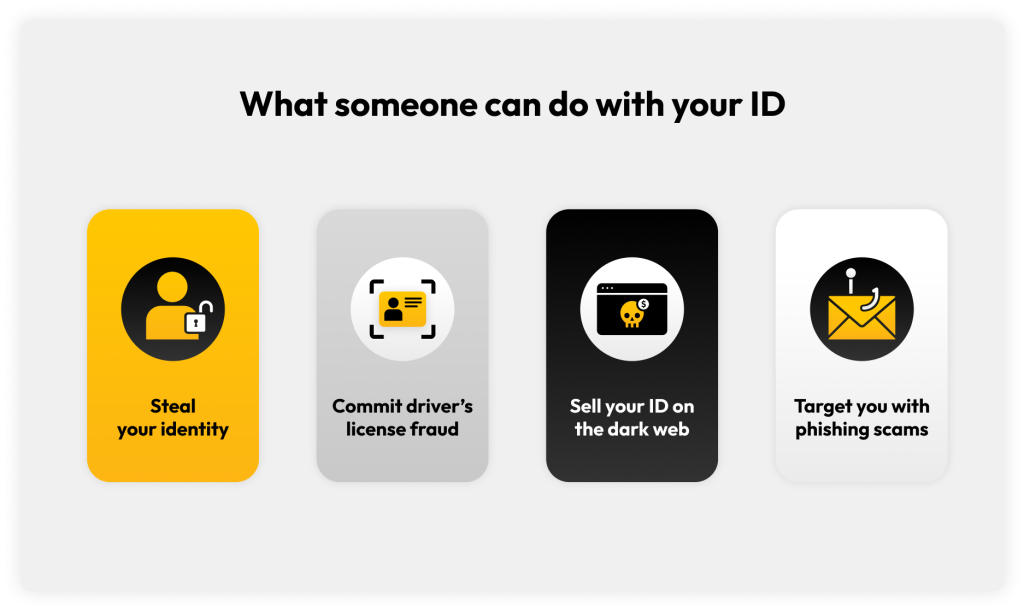
Yes, somebody can swipe your identification with your government-issued ID or vehicle driver's certificate. Any papers which contain Directly Identifiable Information (click here) (PII) including your complete name, home address, day of birth, picture or even your signature can be used to swipe your identity and target you with phishing scams. Continue analysis to learn what somebody can do with your ID, exactly how to inform if a person is using your ID, what to do if your ID is lost or swiped and just how to keep your ID risk-free.
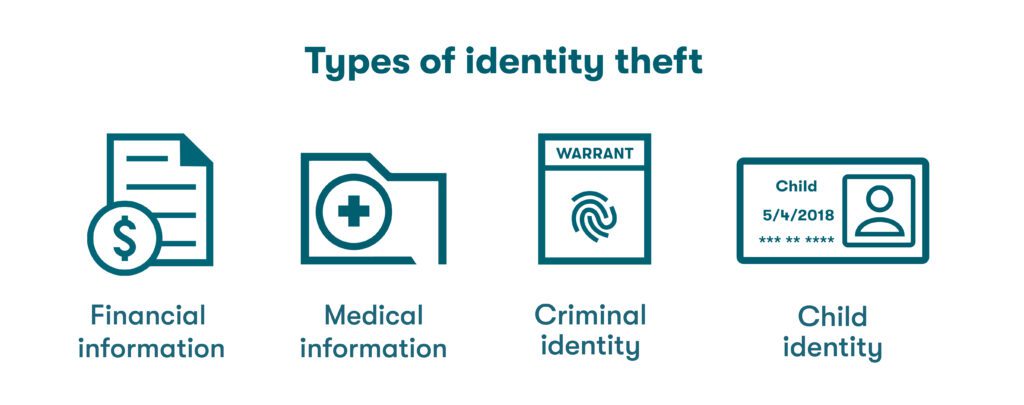
Imagine your driver's certificate number becomes jeopardized and falls under the hands of someone who makes copies of your ID and after that markets them to criminals. If a criminal gets captured for any crime with your ID, police could put those costs on your record rather than theirs. This situation is really unsafe since it will be challenging to prove that you really did not commit those criminal offenses since an additional person has your ID.
Identity Protection Tools for Dummies
If somebody has your ID, they can utilize your complete name to look you up and locate your e-mail address or phone number. Once they have ways to call you, a person might send you a counterfeit message concerning dubious activity in your savings account or a problem with a social media account.
You can tell if someone is using your shed or taken ID for malicious functions by seeing the following: A brand-new funding or line of credit history that you did not accredit shows up on your credit scores record, indicating that someone has actually utilized your ID to commit fraudulence You can not visit to your online accounts, suggesting that somebody used your ID and info connected with your ID to jeopardize your accounts You quit receiving mail, which might be an indication someone has actually altered the address on your ID to match theirs You begin receiving telephone calls from debt collection agencies concerning financial debt that isn't yours, meaning someone has used your ID to impersonate you and been approved for bank card or fundings Your financial institution cautions you of deceitful activity, which indicates somebody has utilized your ID to take out big amounts of cash or make unapproved deals There are numerous things you need to do if your ID has been shed or taken, such as reporting the loss or burglary to your state's DMV, freezing your credit report and submitting a report with the Federal Profession Payment (FTC).
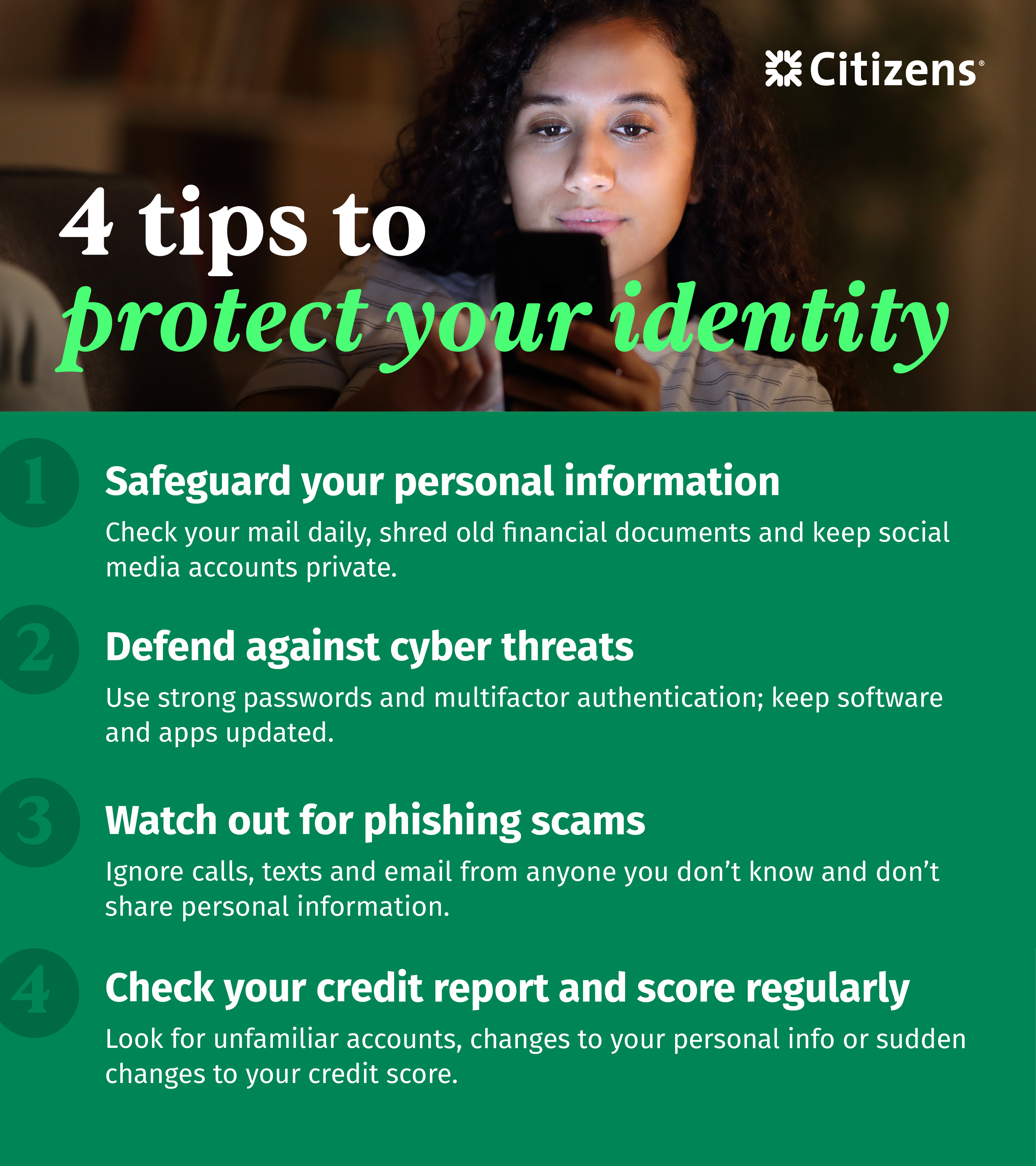
You should report your ID as swiped - learn more to the Federal Trade Commission (FTC), which will use the information you give to team up with regulation enforcement in examining your identification theft. It is essential to submit a report with the FTC asap so the FTC can share your experience with law enforcement to help recuperate your identification and use the information from your instance to aid shield others
Our technology team has years of experience with LifeLock, and we have actually come to be incredibly aware of what they use. Their most thorough strategy, Ultimate Plus, uses substantial defense and identification burglary resolution solutions that need to cover the demands of most seniors. We got text, phone, and mobile application signals whenever there was a possible information breach or misuse of our individual information.
Identity Protection Tools for Beginners
Not all LifeLock plans, nevertheless, supply the same level of defense. The Requirement strategy is somewhat minimal in its offerings, but you can still stand up to $1.05 million in identification burglary insurance coverage, along with Social Safety and security number, debt, and financial surveillance. If you're not on a limited budget plan, you can obtain more functions with among the costlier strategies, such as: Protection for approximately two grownups As much as $1 million of coverage for lawful charges (per grownup) Approximately $1 million in personal expenditure compensation (per adult) Up to $1 million in stolen funds reimbursement (per adult) Up to $3 million in overall protection Three credit scores bureau surveillance Payday advance loan lock to stop deceitful high-interest lendings Informs for criminal offenses dedicated in your name Social network tracking Financial and financial investment account monitoring Contact number protection Home title tracking LifeLock features three identification theft defense plans ranging from $11 - learn more.99 to $69.99 per month for the very first year of solution
The Requirement strategy, for instance, sets you back $89.99 for the very first year, and after that $124.99 for each year after that. With the addition of antivirus services and high reimbursement quantities, though, LifeLock's price is fairly reasonable.

Latest Posts
Some Ideas on Identity Protection Tools You Should Know
An Unbiased View of Identity Protection Tools
Identity Protection Tools Fundamentals Explained